Applying physics-driven engineering methodologies across diverse technologies, systems, and industries.
The principles of physics transcend industries. Simula applies engineering development, modeling, simulation, and optimization methodologies across a broad range of engineering applications to help transform ideas into engineered realities.
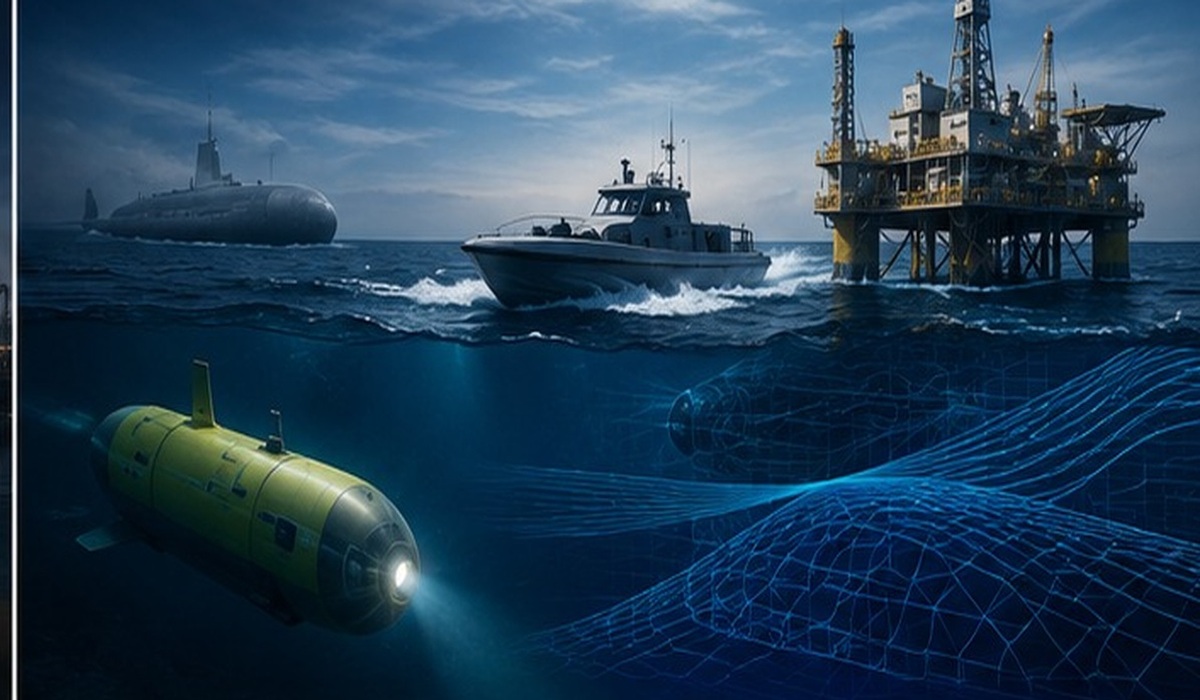
Engineering solutions for marine, naval, offshore, and subsea applications operating in demanding environments.
Autonomous Underwater Vehicles, Unmanned Surface Vehicles, Naval Platforms, Offshore Systems, Subsea Technologies, Hydrodynamic Optimization
Marine and naval systems operate at the intersection of hydrodynamics, structural mechanics, propulsion, control, and environmental loading. Small changes in hull geometry, appendage configuration, pressure distribution, or operating envelope can strongly affect drag, stability, maneuverability, fatigue life, and mission performance. Simula approaches these systems through physics-driven development that connects fluid behavior, structural response, dynamic motion, and operational constraints into a unified engineering picture.
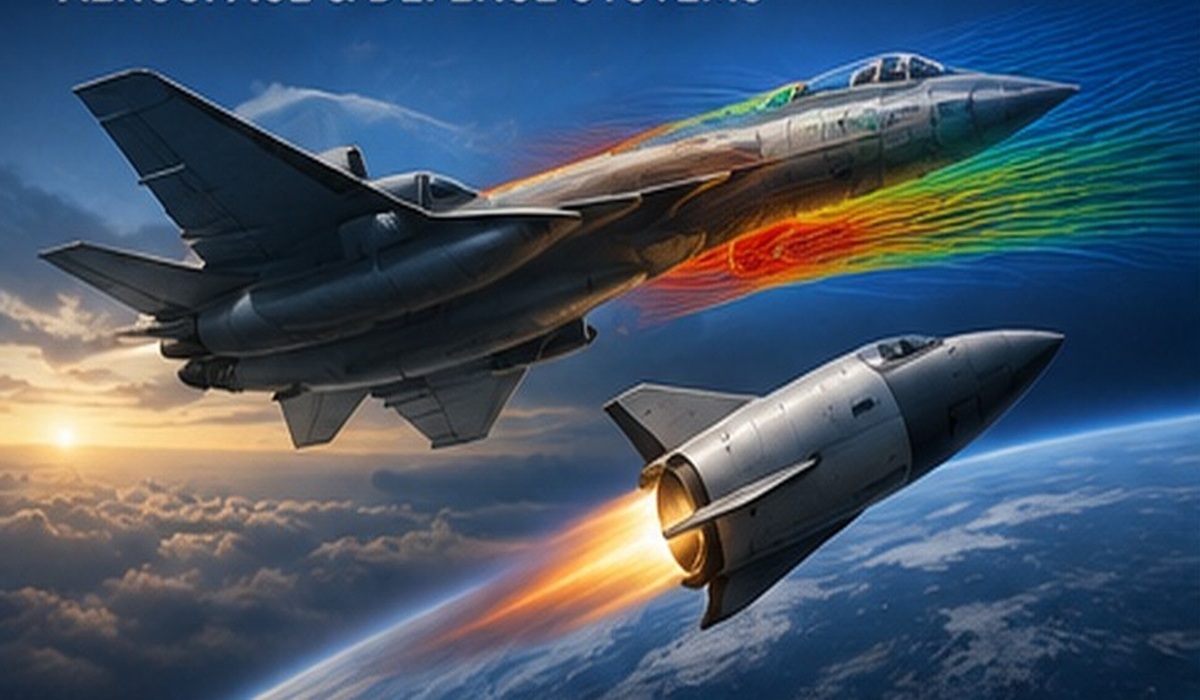
Engineering support for advanced flight systems, mission-critical technologies, thermal protection, propulsion concepts, and high-performance structures.
Flight Systems, Propulsion Technologies, Advanced Structures, Thermal Protection Systems, Mission-Critical Engineering
Aerospace and defense systems are governed by tightly coupled aerodynamic, thermal, structural, and inertial effects. Performance depends on how geometry, materials, loads, heating, vibration, and mission conditions interact across extreme operating envelopes. Simula applies simulation-driven engineering to explore these interactions, reduce uncertainty, and support the development of lightweight, reliable, and high-performance systems.
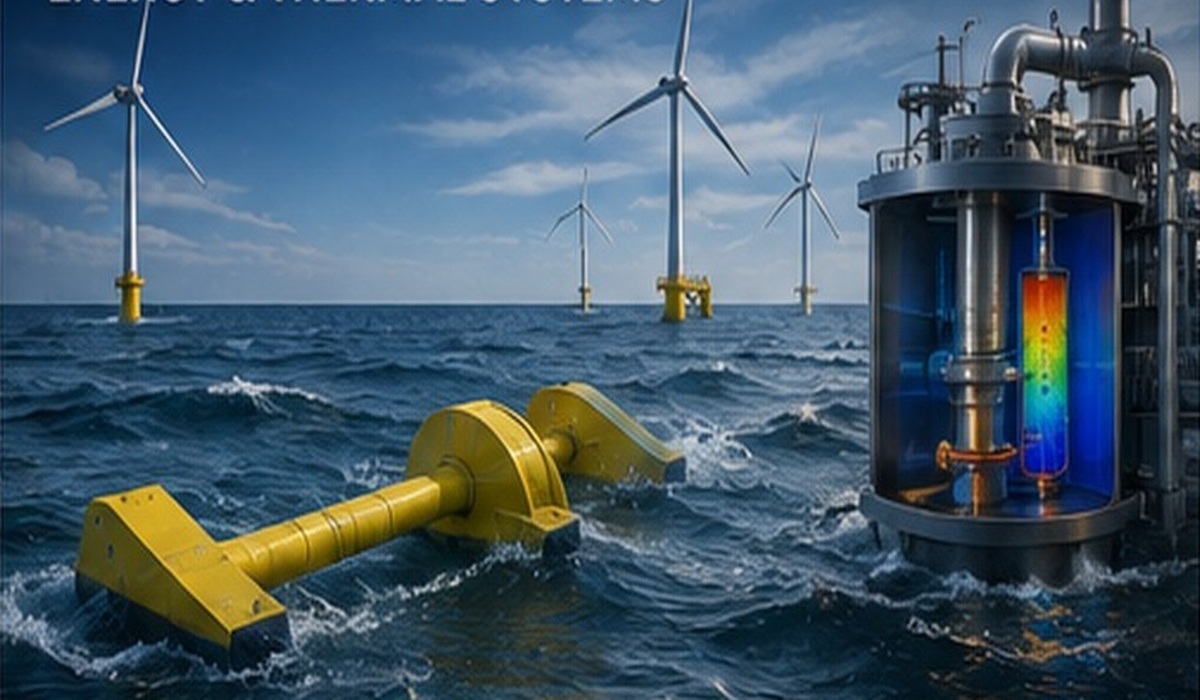
Development and optimization of energy, thermal, and power-related systems across conventional, renewable, and emerging technologies.
Offshore Wind Energy, Floating Wind Technologies, Wave Energy Conversion, Thermal Management, Energy Storage Systems, Power Infrastructure
Energy and thermal systems demand careful treatment of heat transfer, fluid transport, structural loading, energy conversion, and environmental variability. Offshore wind platforms, wave energy converters, thermal management systems, and power infrastructure must withstand unsteady operating conditions while maintaining efficiency and reliability. Simula supports these technologies by analyzing the physics that govern energy capture, thermal performance, flow behavior, structural durability, and system integration.
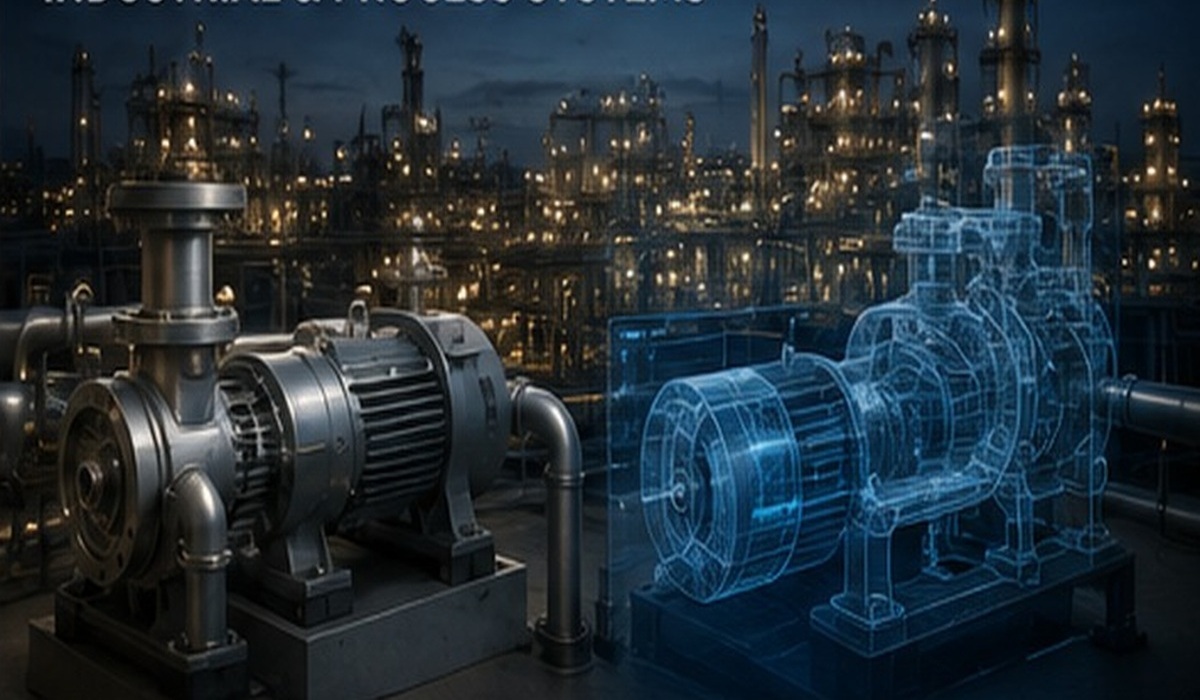
Engineering solutions for industrial equipment, process facilities, and operational systems where reliability and performance matter.
Industrial Equipment, Process Facilities, Fluid Systems, Rotating Machinery, Manufacturing Technologies
Industrial and process systems involve complex interactions between equipment, fluids, heat, pressure, vibration, controls, and operating constraints. Performance losses often emerge from coupled effects such as pressure drop, thermal gradients, flow maldistribution, mechanical loading, or equipment degradation. Simula applies physics-based engineering to evaluate system behavior, improve operational efficiency, and support reliable performance in demanding industrial environments.
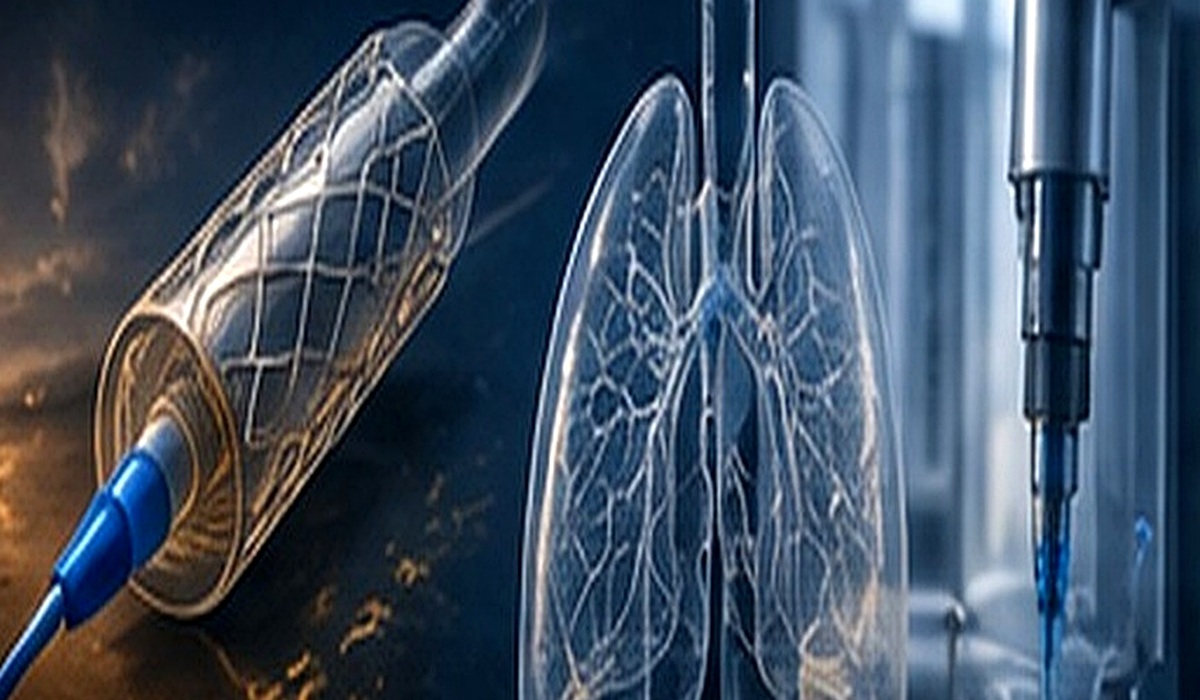
Engineering development and analysis for medical technologies, bioengineering systems, and life science applications.
Medical Devices, Biofluid Systems, Drug Delivery Technologies, Healthcare Technologies, Research Platforms
Biomedical and life science systems require engineering methods that account for fluid transport, tissue interaction, device mechanics, thermal behavior, biocompatibility constraints, and highly sensitive operating conditions. Whether evaluating biofluid pathways, drug delivery mechanisms, or medical device performance, Simula applies rigorous physical reasoning to support safe, reliable, and effective engineering solutions.
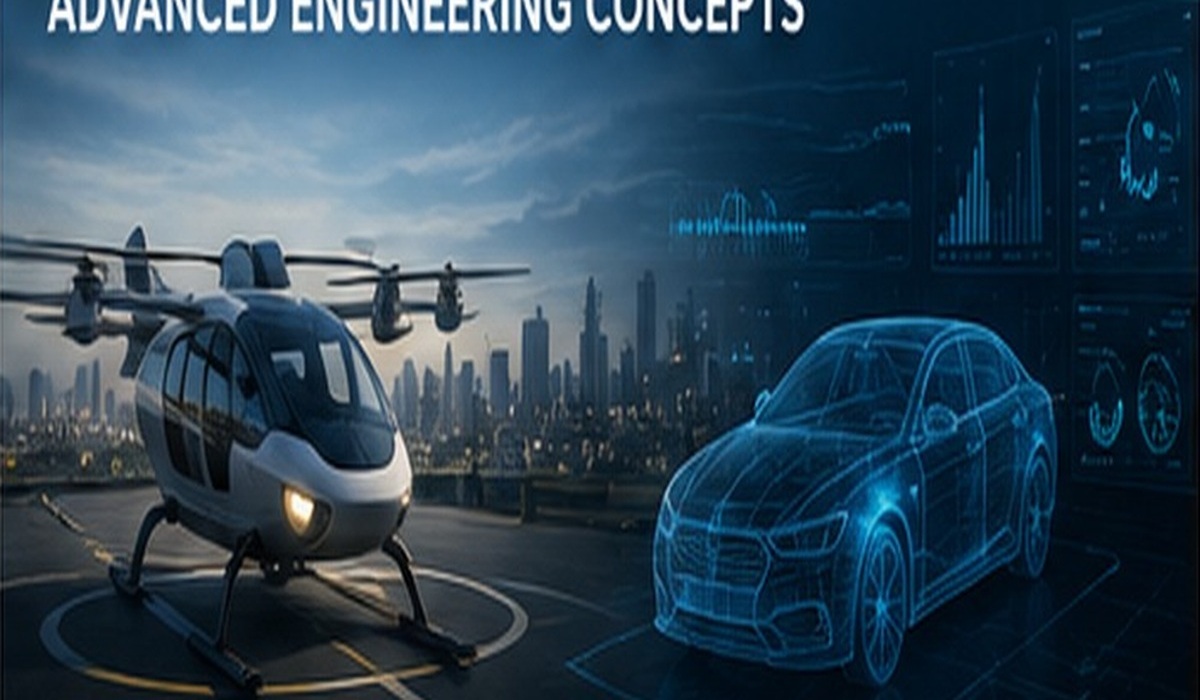
Support for emerging technologies, advanced concepts, and future engineering systems requiring rigorous technical development.
Emerging Technologies, Research & Development, Virtual Prototyping, Future Engineering Systems, Advanced Product Concepts
Advanced engineering concepts often begin with incomplete information, uncertain physics, and rapidly evolving requirements. The challenge is to move from possibility to technical direction without overcommitting to unvalidated assumptions. Simula supports emerging technologies through structured development, virtual prototyping, multiphysics reasoning, and iterative evaluation that converts uncertainty into engineering insight.
Simula applies physics-driven engineering to support informed decisions throughout the development lifecycle.
Discuss Your Engineering Challenge